What U.S. Diners Expect in 2026: New Behaviors Every Restaurant Owner Should Know
Connexup Team
Dec 15, 2025
From fast-casual bowls to family-style dining, Americans have changed the way they interact with restaurants—and the shift is becoming even clearer as we enter 2026. These changes aren’t driven by one-time trends but by new habits formed over years of inflation, rising labor costs, and increasingly digital lifestyles.
For restaurants—especially small, independent operators—understanding these behaviors is becoming just as important as choosing a good location or building a solid menu.
Here are the dining expectations shaping the U.S. restaurant market in 2026.
1. Diners want clarity—clear ingredients, clear choices, clear prices
Across Reddit food threads, Yelp reviews, and Google Maps comments, one theme shows up repeatedly:
“Just make it easy for me to understand what I’m ordering.”
Guests—especially younger ones—are tired of guesswork:
Vague descriptions
Hidden upcharges
Ingredients that aren’t explained
Menus that feel too long or too chaotic
In 2026, clarity has become a trust signal.
Restaurants that communicate portions, flavors, and prices directly are rewarded with:
Higher review scores
Better conversion during busy hours
Fewer order mistakes
Clarity isn’t a trend. It’s a competitive advantage.
2. Personalization is now part of the dining experience
Americans are used to Netflix suggestions, Spotify recommendations, and Amazon “frequently bought together” bundles.
Naturally, they expect the same logic from restaurants.
They want:
Dish recommendations that actually help
Combos that make sense for first-time visitors
Dietary filters that are easy to find
Simple “if you like X, try Y” guidance
This doesn’t necessarily require fancy tech.
Even smart menu design—grouping items clearly, highlighting guest favorites, or offering smooth add-on suggestions—can have a measurable impact.
In menus with many categories (ramen, tacos, hotpot, BBQ), guests appreciate anything that reduces decision fatigue.
3. Value matters more than discounts
After several years of economic pressure, diners are watching what they spend—but they’re not driven only by low prices.
What they care about is value transparency:
Knowing what’s included
Understanding portion sizes
Being shown the best-value choices automatically
Restaurants that help guests feel confident in their choices see higher check averages without needing to over-rely on promotions.
“Help me spend wisely” beats “Give me a coupon.”
4. Guests care about flow—how smooth the dining experience feels
Americans don’t just evaluate the food anymore.
They evaluate the flow:
How long it takes to order
Whether the menu is easy to digest
How quickly questions are answered
How consistently items arrive
Whether the dining rhythm feels rushed or stalled
This is one reason many top-rated restaurants (across Yelp and Google Maps) stand out not only for their dishes but for their “easy, straightforward experience.”
The smoother the flow, the more likely guests are to return.
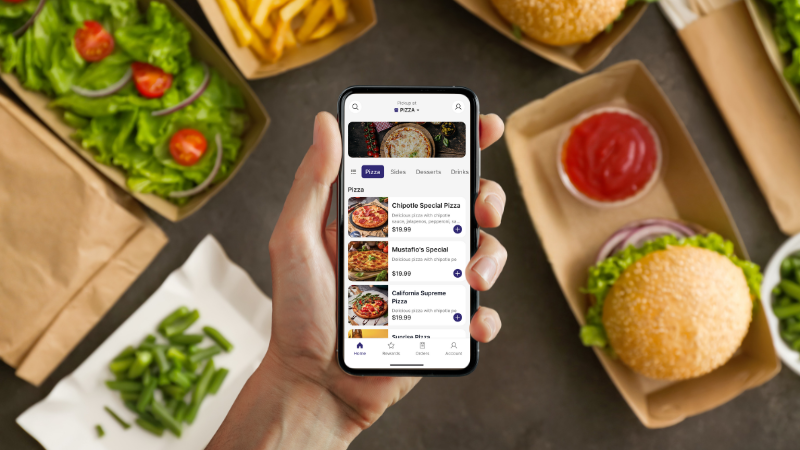
All these expectations point back to one central element: the menu
In 2026, the menu has become more than a list of items—it’s the backbone of:
Guest education
Value communication
Dining flow
Personalization
Revenue growth
A well-designed menu—whether printed, digital, or hybrid—can:
Reduce friction
Guide unfamiliar guests
Increase confidence
Boost average order size
Improve consistency
Build long-term trust
This is why “smart menus” (clearer structure, better guidance, data-informed choices) are becoming a key growth driver for U.S. restaurants.
How Connexup supports modern menu expectations
Connexup helps small and mid-sized U.S. restaurants build menus that align with how guests actually decide today.
Some of the practical ways Connexup can help include:
Upload your existing menu: instantly generate basic data for every item.
Optimize item names and descriptions: improve clarity and generate essential information automatically.
Auto-match images: add your existing photos and Connexup will automatically find the corresponding menu items.
These features make it faster and easier for restaurants to have menus that are clear, well-structured, and ready for smarter guest interactions.
Ready to build a smarter, more intuitive menu?
You may also want to read our related post:
Restaurant Reputation Management in a Google-First World
Why Square POS Integration Matters — and How Connexup Takes It Further